What Humidity Should Your Home Be in Winter?
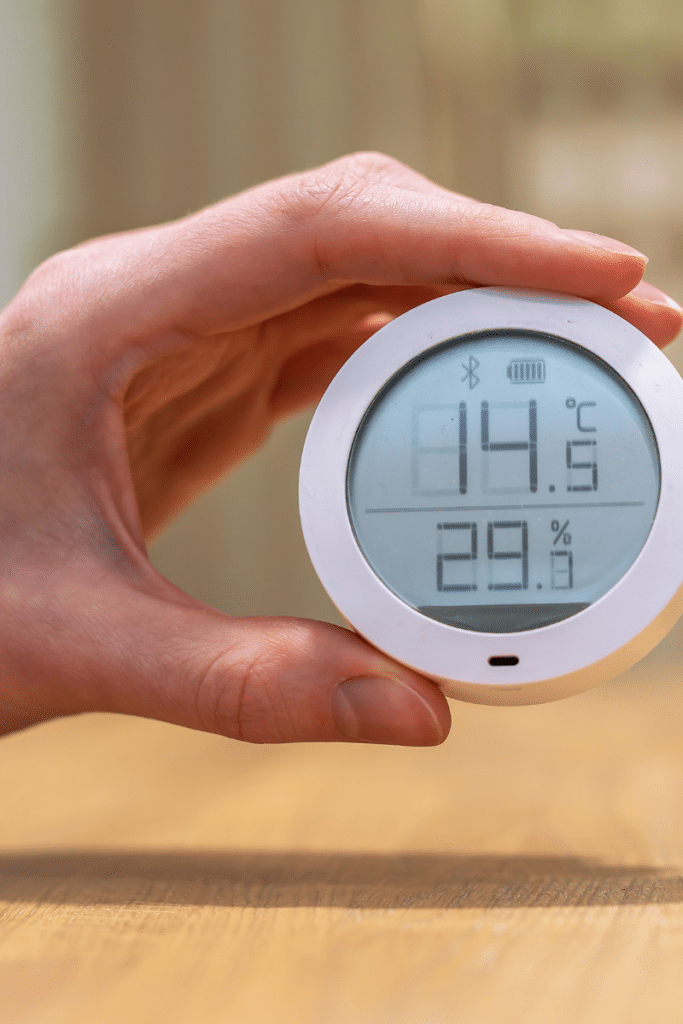
Most homes are comfortable with indoor humidity between 30 and 50 percent. The EPA recommends staying below 60 percent, and ideally between 30 and 50 percent. On the coldest days, aim for the lower end of that range so moisture doesn’t condense on windows.
Why Winter Air Gets So Dry
Cold outdoor air holds very little moisture. When that air leaks into your house and gets heated, its relative humidity drops sharply. In a Central Pennsylvania winter, indoor humidity can fall well below 30 percent without a humidifier.
Signs Your Air Is Too Dry
- Static shocks when you touch doorknobs or other people
- Dry skin, chapped lips, and itchy eyes
- Scratchy throat or dry nose in the morning
- Gaps opening in hardwood floors and trim
- The house feels colder than the thermostat setting
Dry air feels cooler because moisture evaporates from your skin faster. Bringing humidity up can make the same temperature feel warmer.
Signs Your Air Is Too Humid
- Condensation or frost on the inside of windows
- Musty smells
- Mold or mildew in bathrooms, closets, or corners of exterior walls
If you see condensation, lower the humidity setting.
How to Adjust for Very Cold Weather
The colder it is outside, the colder your window glass gets, and the less humidity your home can hold before water forms on it. On the coldest nights, a setting closer to 30 percent helps prevent condensation. Many whole-home humidifiers come with an outdoor sensor that adjusts the target on its own.
How to Measure Humidity
A digital hygrometer measures indoor humidity. Many smart thermostats also show it. Check readings in a few rooms and at different times of day.
Portable vs. Whole House Humidifiers
- Portable humidifiers work for a single room but need daily refilling and regular cleaning.
- Whole house humidifiers connect to your furnace and ductwork and to a water line. They add moisture to the air as it moves through the system and are controlled by a humidistat.
Common whole-home types include bypass humidifiers, fan-powered humidifiers, and steam humidifiers. Steam units can add the most moisture and don’t depend on the furnace running. The right type depends on your home’s size, your heating system, and how dry the house gets.
Keeping a Whole House Humidifier Working
- Replace the water panel or pad at least once a season.
- Turn the humidifier off and close its damper, if it has one, when heating season ends.
- Have it checked during your yearly heating tune-up.
In summer, the problem flips. If your home feels sticky, read our post on whole-home dehumidifiers.
Get Help With Dry Winter Air
ECS Comfort has helped homeowners in Palmyra and the surrounding area since 1988. We install and service whole house humidifiers sized for your home and heating system.