
How Long Does a Water Heater Last, and Signs Yours Is Wearing Out
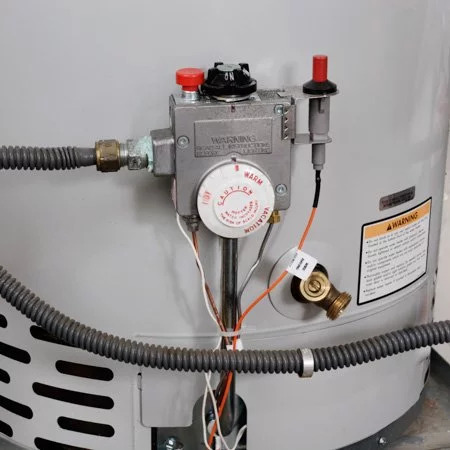
A standard tank water heater usually lasts about 8 to 12 years. A tankless water heater often lasts 20 years or more with regular maintenance. Hard water, skipped maintenance, and high water pressure can shorten either one.
How to Find Your Water Heater’s Age
Look at the rating label on the side of the tank. The manufacture date is often printed there. If not, it’s usually built into the serial number. Many brands use a letter for the month and two digits for the year, but the format varies. If you can’t decode it, a plumber can tell you quickly, or you can look up the brand’s serial number format online.
What Shortens a Water Heater’s Life
- Hard water: Minerals settle in the tank or coat a tankless heat exchanger, making the heater work harder.
- Skipped flushing: Sediment builds up at the bottom of the tank and speeds corrosion.
- A worn-out anode rod: This rod draws corrosion away from the tank. Once it’s used up, the tank starts to rust.
- High water pressure: Puts extra strain on the tank and fittings.
- Location: Heaters in unheated garages or crawl spaces work harder in winter.
Signs Your Water Heater Is Wearing Out
- Rusty or discolored hot water: Rust coming only from the hot side often means the inside of the tank is corroding.
- Popping or rumbling sounds: Sediment at the bottom of the tank is overheating as the burner or element runs.
- Less hot water than before: Sediment takes up space in the tank, or a heating element is failing.
- Water around the base: A leak from the tank itself can’t be repaired.
- Rust on the outside of the tank, especially near the fittings or the bottom.
- Frequent repairs: Needing new parts on an older heater every season is a sign it’s near the end.
- It’s past the 10-year mark: Even without symptoms, an older tank is more likely to fail suddenly.
Repair or Replace?
A failed heating element, thermostat, or relief valve on a younger heater is usually worth repairing. A leaking tank, or an older heater with several problems, is usually time to replace. Replacing before the tank fails lets you pick the timing instead of dealing with a flooded basement and no hot water.
Thinking About Tankless?
When you replace, it’s worth comparing a new tank with a tankless water heater. Tankless units heat water on demand, take up less space, and last longer. They need yearly descaling, especially with hard water.
Help Your Next Water Heater Last
- Flush a tank heater once a year, more often with hard water.
- Have the anode rod checked every few years.
- Test the temperature and pressure relief valve yearly.
- Consider a water softener if you have hard water.
Get an Honest Answer About Your Water Heater
ECS Comfort has repaired and installed water heaters in Palmyra and the surrounding area since 1988. We’ll tell you whether a repair makes sense or it’s time to replace, with upfront pricing. Learn more about our water heater services.