Why Is Your Water Heater Working Harder in Summer?
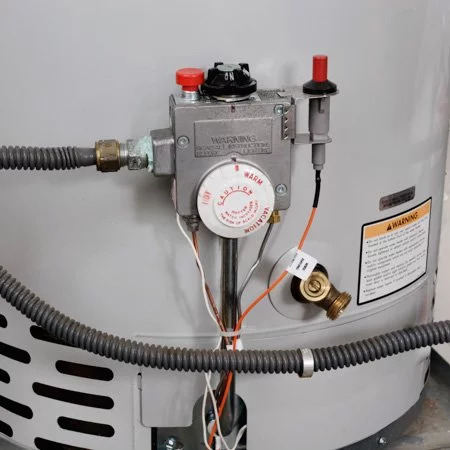
Warm weather usually brings expectations of lighter energy bills. However, summer heat creates distinct challenges for residential plumbing systems. Many Central Pennsylvania homeowners find their water heater working harder in summer than during cooler months. Increased household activity and mineral accumulation force hot water systems to cycle frequently. Understanding these seasonal demands helps you maintain equipment efficiency and prevent unexpected breakdowns.
Water Heater Working Harder in Summer: Key Causes
Summer routines in Palmyra and Hershey increase home water consumption. Homeowners often notice their water heater working harder in summer as daily routines change. According to data from the U.S. Environmental Protection Agency (EPA), average household water use increases by 25% to 50% during summer months. Children home from school and summer guests add to daily demand.
Frequent Showers and Household Cleanup
Higher outdoor temperatures lead to more frequent showers. Swimming, yard work, and outdoor sports require quick cleanup throughout the day. When family members take back-to-back showers, your water heater runs constantly to recover tank temperature.
Extra Laundry and Dishwashing Cycles
Outdoor activities generate extra loads of laundry, beach towels, and athletic gear. Washing machines use substantial volumes of hot water when running multiple daily cycles. Hosting summer gatherings also increases dishwashing frequency, keeping your water heating equipment under steady load.
Mineral Accumulation and Tank Performance Stress
Water quality directly affects how efficiently your heating system operates during peak summer usage. Hard water minerals accumulate at the bottom of standard storage tanks over time.
How Hard Water Minerals Reduce Efficiency
Central Pennsylvania water supplies contain dissolved minerals like calcium and magnesium. As water heats, these minerals settle at the bottom of the tank as solid sediment. The U.S. Department of Energy (DOE) reports that sediment layers as thin as 1/8 inch can reduce heating efficiency by up to 10%. The sediment layer creates a barrier between the heating element or gas burner and the water.
Symptoms of System Strain and DIY Maintenance
As sediment thickens, your water heater operates longer to reach the set temperature. You may hear popping or rumbling noises as trapped steam bubbles escape through the sediment. Homeowners can manage minor sediment by opening the drain valve to flush a few gallons of water into a bucket quarterly. Checking the sacrificial anode rod every two years also extends tank life.
Temperature Fluctuations, Humidity, and Alternative Systems
Environmental conditions around your equipment affect mechanical efficiency. Water heaters in garages, basements, or unconditioned closets face elevated ambient heat and humidity during summer.
Ambient Heat and Thermal Pressure
High surrounding temperatures stress electrical components and control valves. Gas units require proper ventilation to maintain burner combustion. Higher incoming cold water temperatures also cause thermal expansion inside a closed system. This expansion increases pressure on plumbing joints and the temperature-pressure relief valve.
Comparing Tankless Systems and Standard Storage Tanks
While standard tank heaters store and continuously heat 40 to 50 gallons of water, tankless water heaters heat water only on demand. Tankless units eliminate standby heat loss and avoid tank sediment accumulation. However, tankless systems require higher upfront installation costs and adequate gas or electrical capacity. Homeowners evaluating equipment options should weigh long-term energy savings against initial upgrade costs.
Protecting Your Hot Water System Year-Round
Water Heater Service Options in Palmyra, PA
Proper maintenance helps prevent unexpected system failures during peak summer usage. Homeowners in Palmyra, Hershey, and Lebanon can schedule routine inspections or discuss system upgrades with experienced technicians. ECS Comfort Heating & Cooling provides complete water heater evaluation and service for local homes.